


The History of the Metlar-Bodine House
A House With Three Centuries of History
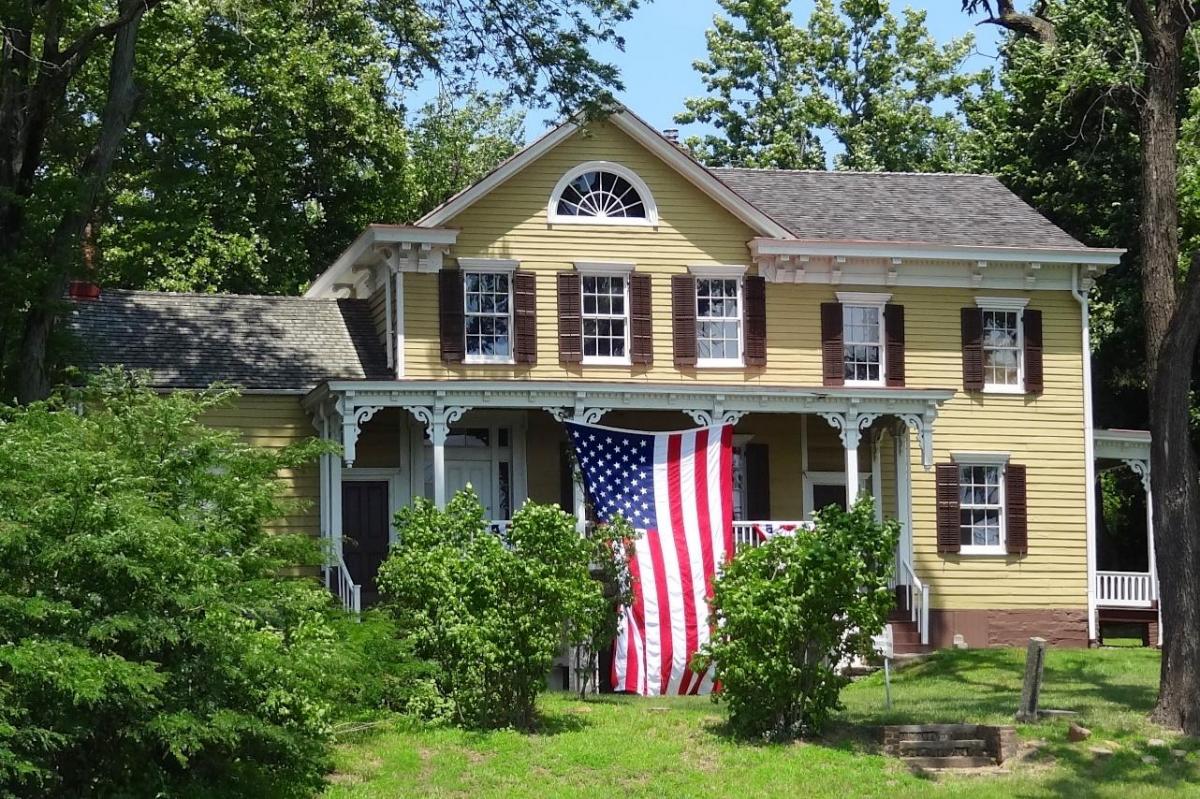
1728: The Beginning
Merchant Peter Bodine built the original one-room house overlooking Raritan Landing, one of Colonial America's earliest river ports.
1800s: Growth and Change
The home expanded into a beautiful Greek Revival farmhouse known as "Sunnyside" and later became associated with the prominent Metlar family.
1979: Saved From Demolition
When plans for a Route 18 interchange threatened the property, local residents and preservationists rallied to save the house.
Today
The Metlar-Bodine House Museum welcomes visitors of all ages to explore Central New Jersey's rich history.
A Community Saved This Landmark
The museum exists today because local residents refused to let history disappear.
In 1979, citizens, historians, community organizations, and Township officials joined together to preserve the house and establish a museum dedicated to Piscataway's heritage.
That spirit of volunteerism continues today through the Fellowship for Metlar House, whose members support educational programs, exhibitions, preservation projects, and special events.
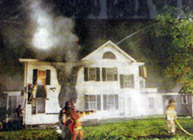 From Fire to Restoration
In 2003, a devastating fire destroyed one-third of the museum and damaged hundreds of artifacts.
Through the dedication of the Township, volunteers, donors, and preservation partners, more than $2.5 million was invested in restoring the building and protecting its collections.
Today, the Metlar-Bodine House stands once again as a symbol of resilience, preservation, and community pride.
A Piece of America's Independence Story
In 2000 the museum received a significant artifact, the Ross Hall Wall - a piece of America's past that had witnessed one of the nation's most memorable occasions.
In July 1778, General George Washington issued the first official order directing the United States Army to celebrate Independence Day while headquartered at Ross Hall in Piscataway.
Although Ross Hall was demolished in the 1960s, a section of its original wall was preserved and is now cared for by the Metlar-Bodine House Museum.